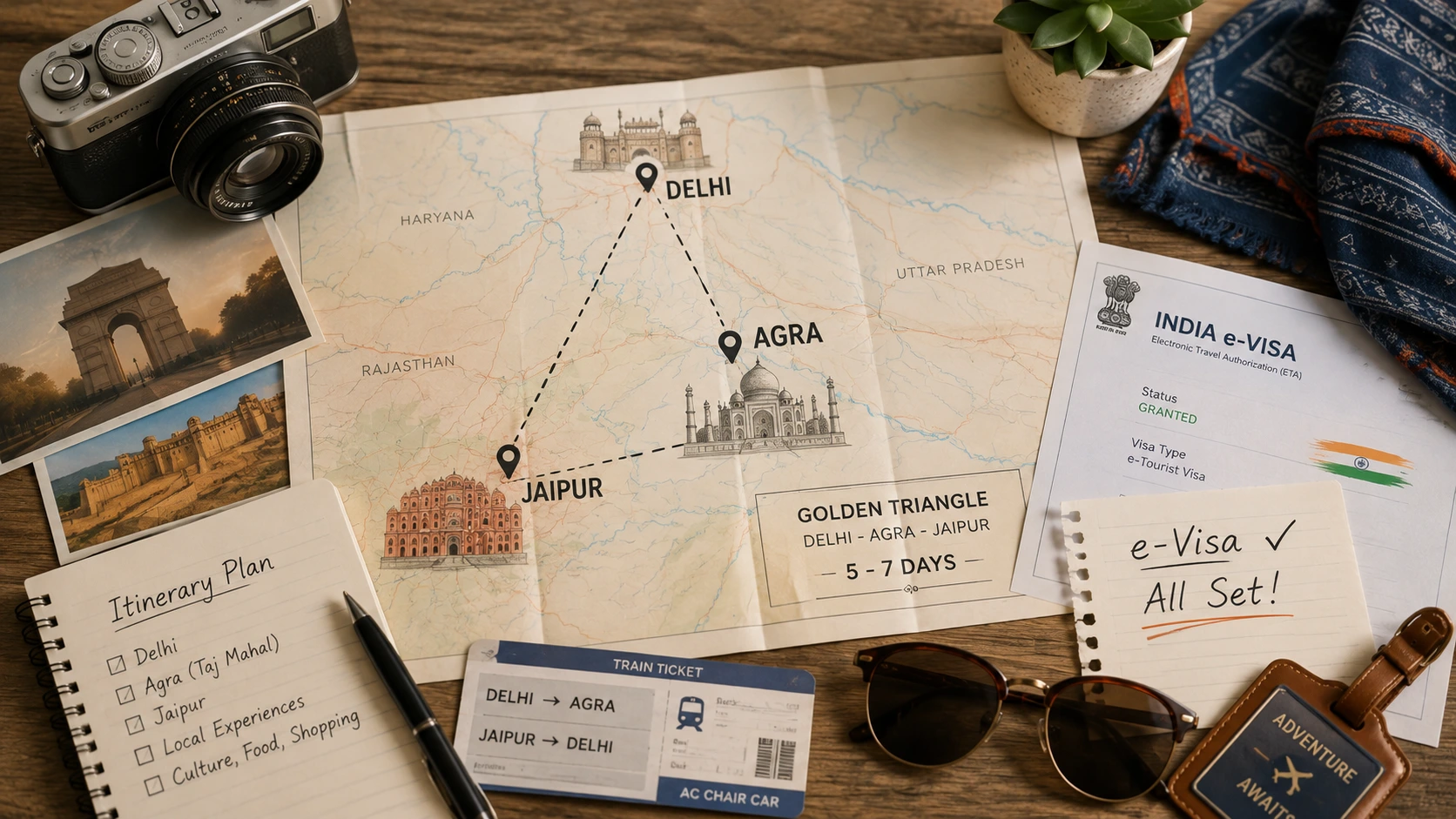
The Golden Triangle is the route most first-time visitors take through India — Delhi, Agra, and Jaipur, three cities forming a rough triangle across North India, covering Mughal architecture, the Taj Mahal, and Rajasthan's fort palaces in a single, manageable circuit. It is also the trip most foreign travellers research first, and the one where visa planning and itinerary planning genuinely need to happen together, not as two separate tasks.
What will IVC explain for you:
This guide covers both. Not a generic travel itinerary with a visa paragraph tacked on the end, and not a visa guide that ignores what you're actually planning to see. The two are connected at almost every stage of this trip, and this guide treats them that way.
Before the Itinerary ➜ Confirm Your India e-Visa
Every foreign national visiting the Golden Triangle needs a valid India visa before arrival. For the vast majority of travelers, the India e-Tourist Visa is the correct category, applied for entirely online, delivered by email, no embassy visit required.
Which duration fits a Golden Triangle trip?
Most Golden Triangle circuits run 5–7 days, well within the 30-day e-Tourist Visa's window. If this is a standalone trip with no plans to return to India within the year, the 30-day visa (double entry, valid from first arrival) is the standard choice. If you're combining the Golden Triangle with a longer India itinerary or planning a return visit, the 1-year e-Tourist Visa offers more flexibility for the same broad price range.
What you need to apply?
✔️ An ordinary passport valid at least 6 months from your India arrival date with 2 blank pages, a color PDF scan of your passport bio page, a JPEG photograph on a plain white background with no glasses, a valid email for ETA delivery, and a payment card.
✔️ Check your eligibility and confirm the fee for your nationality before applying. Fees vary significantly by nationality. Nationals of UAE, Sweden and Sri Lanka, all might have to pay a different amount for a 1-year tourist e-visa.
Real-world processing currently averages 8–10 business days, so apply at least 2–3 weeks before your intended arrival date.
This is the first practical decision of the trip, and it needs to happen before flights, hotels, or a detailed itinerary are locked in, your ETA must show 'GRANTED' before you commit to anything non-refundable.
Entry Point | Which Airport the Golden Triangle Actually Starts From?
Almost every Golden Triangle itinerary begins and ends in Delhi, and Indira Gandhi International Airport is one of India's designated e-Visa entry points, confirmed on the authorized entry and exit ports list. This matters because not every airport in India accepts India e-Visa arrivals, and Delhi's status as a major international gateway makes it the natural, uncomplicated starting point for this specific circuit.
If your international routing brings you through a different Indian city first - Mumbai, for example, before a domestic connection to Delhi, that's fine, provided your actual port of first entry into India is on the authorized list, which Mumbai is. What matters is that your first landing point in India, wherever it is, appears on that list. Confirm this before booking flights, not after.
What happens at immigration at Indira Gandhi International Airport airport if you are an India e-visa holder? IVC shares immigration essentials and let you know before you land in India!
The Itinerary | Five to Seven Days, Three Cities
📍Delhi (Days 1–2)
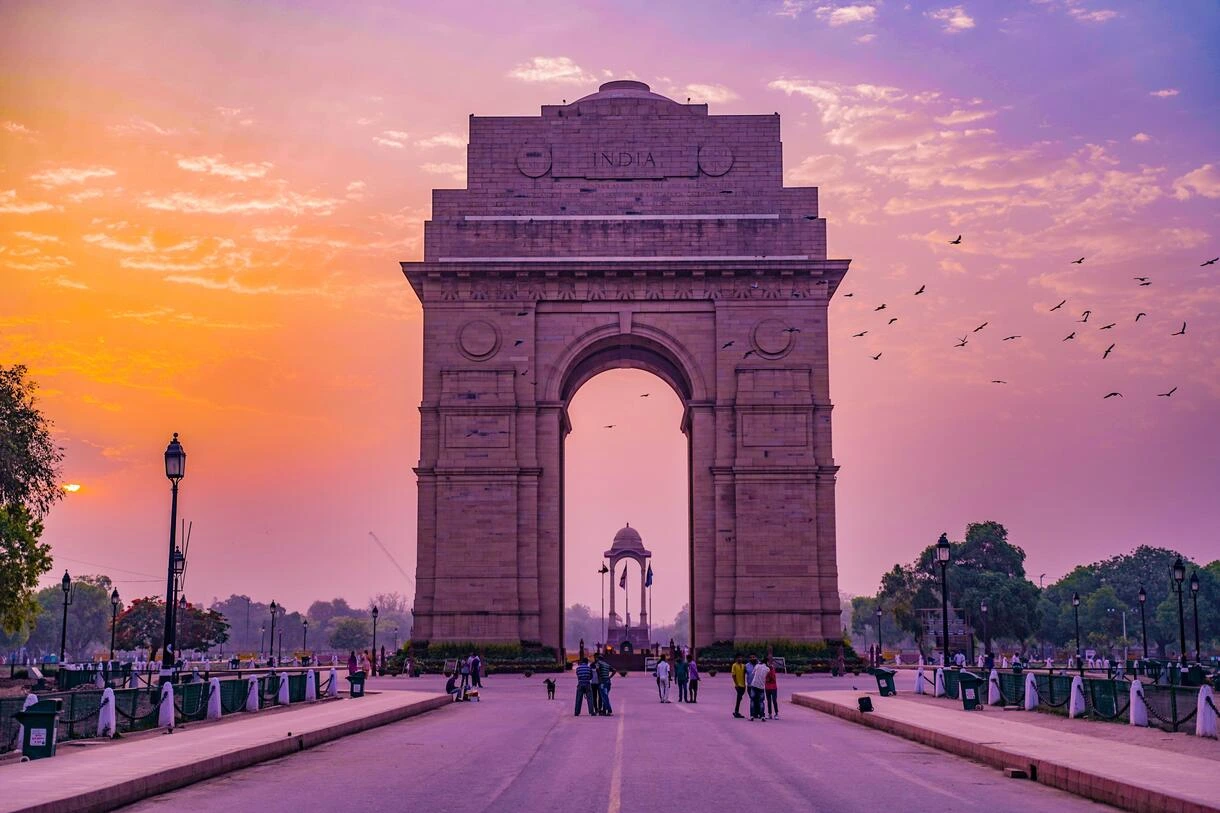
Old Delhi and New Delhi operate as two distinct worlds within one city. Old Delhi comprises the Red Fort, Jama Masjid, the chaos of Chandni Chowk which represents Mughal-era India at street level. New Delhi includes India Gate, Humayun's Tomb, the government quarter designed by Edwin Lutyens that represents the colonial and post-independence layers built on top of it. Two full days lets you cover both without rushing either.
📍Agra (Days 3–4)
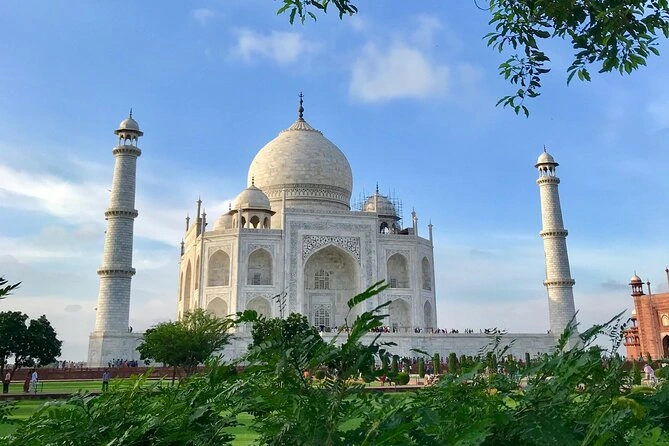
A 3–4 hour drive or a fast train from Delhi (the Gatimaan Express covers it in roughly 100 minutes). The Taj Mahal at sunrise is the reason most people plan this entire trip — arrive at the gate before opening to avoid both the heat and the crowds. Agra Fort and Fatehpur Sikri, a short drive outside the city, round out a full day and a half here.
📍Jaipur (Days 5–7)
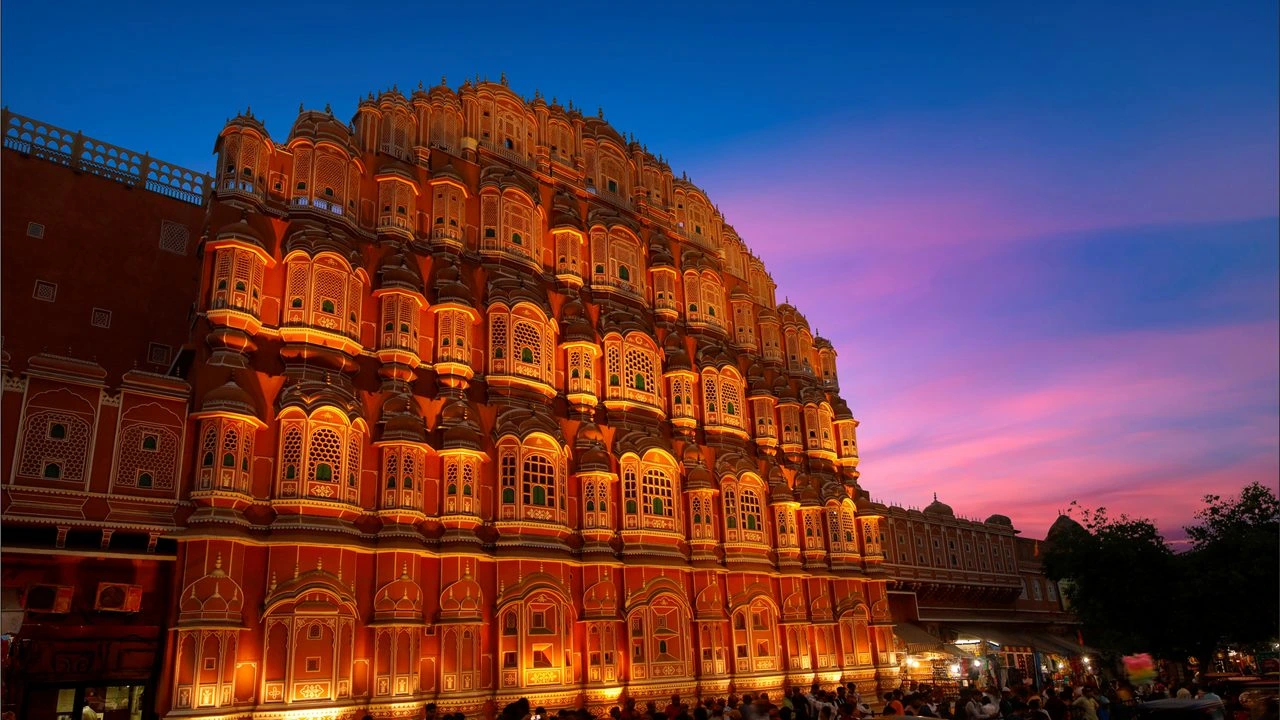
The Pink City is the Rajasthan leg of the circuit — Amber Fort, Hawa Mahal, City Palace, and the old walled city's bazaars. Most travelers spend two to three days here before flying home from Jaipur or returning to Delhi for departure.
Getting between the three cities: Trains, private cars, and organized tour transport all run this route regularly — it is one of the most well-serviced tourist corridors in India, precisely because of how consistently it's travelled.
Practical Essentials: Where India-Specific Preparation Actually Matters
➤ Dress and temple etiquette. Several stops on this circuit like Jama Masjid in Delhi, sections of Amber Fort, various temples along the way, have modest dress requirements: covered shoulders and legs. Carry a light scarf that doubles as a temple cover and sun protection through Rajasthan's heat.
➤ Money and cards. ATMs are widely available in all three cities, but carry some cash for smaller vendors, tips, and rural stops like Fatehpur Sikri. Notify your bank of India travel before you go; a card declined mid-trip is a common and avoidable frustration.
➤ Local SIM or data. Purchase a local SIM at Delhi airport on arrival, or activate an eSIM before travel. You'll need your passport and visa to register a physical SIM. Consistent data access matters more on this circuit than most ride-hailing apps, navigation, and translation all depend on it.
➤ Photography permits. The Taj Mahal and several forts charge separate camera or video fees beyond the entry ticket, confirm current rates at each site rather than assuming your general entry ticket covers photography.
➤ Weather-driven timing. October to March is the standard window for this exact circuit, outside it, Rajasthan's summer heat (April–June) makes daytime sightseeing genuinely difficult, and this connects directly back to your e-Visa timing: if you're planning a winter Golden Triangle trip, apply in the preceding autumn, since this is peak application season and processing can run toward the longer end of the 8–10 business day average.
➤ Bottled and filtered water. Standard advice, worth repeating precisely because it's the most common source of minor illness for first-time visitors on exactly this kind of multi-city circuit.
What Applies to Your India Visa Throughout the Trip, Not Just at the Airport
✅ Your India e-Visa authorizes travel — it doesn't guarantee entry on its own.
Carry your printed ETA alongside your passport throughout the trip, not just at the arrival airport. Hotels in all three cities will ask to see your passport and visa at check-in, this is standard registration practice in India, not a red flag.
✅ Complete the e-Arrival Card before you board — not after you land.
Since April 2026, this is mandatory for all foreign nationals entering India, completed within 72 hours before arrival via the official portal or the Indian Visa Su-Swagatam app. For a Delhi-first arrival, this needs to be done before your outbound flight, not at the immigration counter.
✅ Your visa category defines what this trip can involve.
The e-Tourist Visa covers exactly this kind of circuit — sightseeing, cultural visits, general tourism. If any part of your India trip pivots into business activity, that is a meeting added mid-trip, a conference attendance that requires the separate e-Business Visa, which cannot be added or converted once you're already travelling on the tourist category.
✅ The visa is non-extendable.
If your Golden Triangle trip is part of a longer India stay and you're uncertain about total duration, plan the visa duration generously from the outset, extending or converting inside India is not available as a standard route. You may have to pay fine or penalty for extending your stay.
A Circuit Worth the Preparation!
The Golden Triangle earns its reputation as India's essential first trip because it compresses an extraordinary range — Mughal grandeur, colonial history, Rajasthani desert culture, into a genuinely manageable week. None of that changes the fact that the first document you need is the same one every India-bound traveler needs: a correctly submitted, approved India e-Visa, applied for with enough lead time that a preventable error doesn't cost you a non-refundable fee and force a scramble before non-refundable flights and hotels.
At IVC Visas, your application, photo, and documents are reviewed before submission — on both standard and express service, so a tight Golden Triangle timeline doesn't mean a rushed, error-prone application.
Start your application as soon as your Delhi-Agra-Jaipur dates are set.
Contact our team if you have questions about timing your visa application around this specific itinerary.
Disclaimer: IVC Visas is an independent visa service provider. We assist with application preparation and submission to official government portals. Final visa approval decisions are made solely by Indian immigration authorities. All information is based on current regulations as prescribed by the Government of India, which may change. Always verify the latest requirements before travel.