India e-Visa for Solo Female Travelers! Visa Requirements, Safety, and What Nobody Tells You
Millions of women travel solo through India every year. They come back with stories about palace cities at sunrise, the silence of a Himalayan morning, backwater canals at dusk, and hospitality that redefines the word. India delivers consistently, generously, and on a scale that surprises even well-traveled visitors.
It also requires preparation. Not because India is extremely dangerous; it isn't, but because the gap between an underprepared solo female traveler and a well-prepared one is significant. That preparation starts before the flight. It starts with the India e-Visa.

Your India e-Visa | Start Here with IVC
Indian nationals need no visa to travel within their own country, but foreign women planning a solo trip to India need a confirmed India e-Visa before they board. The India e-Visa is applied for entirely online, delivered to your email as an Electronic Travel Authorization (ETA), and must be confirmed before departure. No embassy visit required. Female travelers planning their trip from UK, Switzerland, Greece and other nations, eligible for an Indian e-visa can start their journey with IVC Visas!
Which category to choose:
For a solo trip covering sightseeing, yoga retreats, wellness stays, temple circuits, or visiting friends and family, the India e-Tourist Visa is the correct category. It comes in 30 days (double entry), 1 year (multiple entry), and 5 years (multiple entry). The 1-year option suits women who plan to return after a long term while the 30-day suits a single defined trip.
What you need:
- Valid ordinary passport with 6 months validity from arrival date, 2 blank pages
- Clear PDF scan of your passport bio page
- Compliant JPEG photograph with white background, no glasses, taken within 6 months
- A valid email address where your ETA will be delivered
- Payment card(debit or credit) with 3% bank transaction charge that applies additionally
Timing:
currently, India e-Visa processing averages 8–10 business days. Apply at least 2–3 weeks before travel. If your departure is imminent, IVC Visas' express service preparation and submission on our side.
Always, confirm your status reads 'GRANTED' on the India Visa portal before you fly, never travel on a pending status.
Before you board:
Complete the mandatory digital e-Arrival Card within 72 hours before arrival via the official Indian government portal or the Indian Visa Su-Swagatam app. It is separate from your e-Visa and must be done before boarding.
Print your ETA. Carry copies of your passport and India e-visa, both physical and digital. This is not optional advice. It is the first layer of practical safety.
What Will Genuinely Surprise You! Cultural Context Worth Knowing
India is not a difficult country to travel alone in once you understand its rhythms. What feels alarming to a first-time visitor often has a perfectly ordinary cultural explanation.
➤ Staring is not aggression.
In much of India, particularly in smaller cities and rural areas, a foreign woman travelling alone is simply unusual. The staring you will encounter is almost always curiosity, not threat. People are wonderfully kind and welcoming to both male and female, and genuinely curious towards foreigners. Acknowledge it, don't internalize it, and move through it confidently.
➤ The head wobble means yes.
The sideways head oscillation that looks like "no" to most Western visitors is actually India's gesture of acknowledgment, agreement, or understanding. You will see it constantly and it will confuse you repeatedly until it clicks.
➤ Being overly polite to strangers in tourist areas is a vulnerability.
Extended, warm conversation with unsolicited "helpers" near major tourist sites is a common entry point for scams. Auto-rickshaw upsells, fake ticket offices, gem export schemes, all of these could be scams. A confident, brief, direct response like- "No, thank you", and continuing to walk is not rude. It is correct. Use common sense and don't be overly friendly with males you don't know.
➤ Dress codes at religious sites are strict and non-negotiable.
Temples, mosques, gurudwaras, and dargahs require covered shoulders and legs, sometimes a head covering too. Carry a light scarf or dupatta at all times. It doubles as sun protection, a temple cover, and a layer of comfort in conservative areas. Modest dress in general, loose clothing, covered legs as it reduces unwanted attention significantly outside of Goa and tourist beach areas.
➤ Personal space norms are different.
Queues, crowded markets, and public transport operate at a physical proximity that most Western travelers find unfamiliar. It is not threatening, it is simply a different social contract around space.
Getting Around | What Experienced Solo Female Travelers Actually Do
➤ At the airport: Take a prepaid taxi from the official counter inside the terminal. Do not accept rides from individuals who approach you unsolicited outside. Prepaid fares are fixed and the driver is registered.
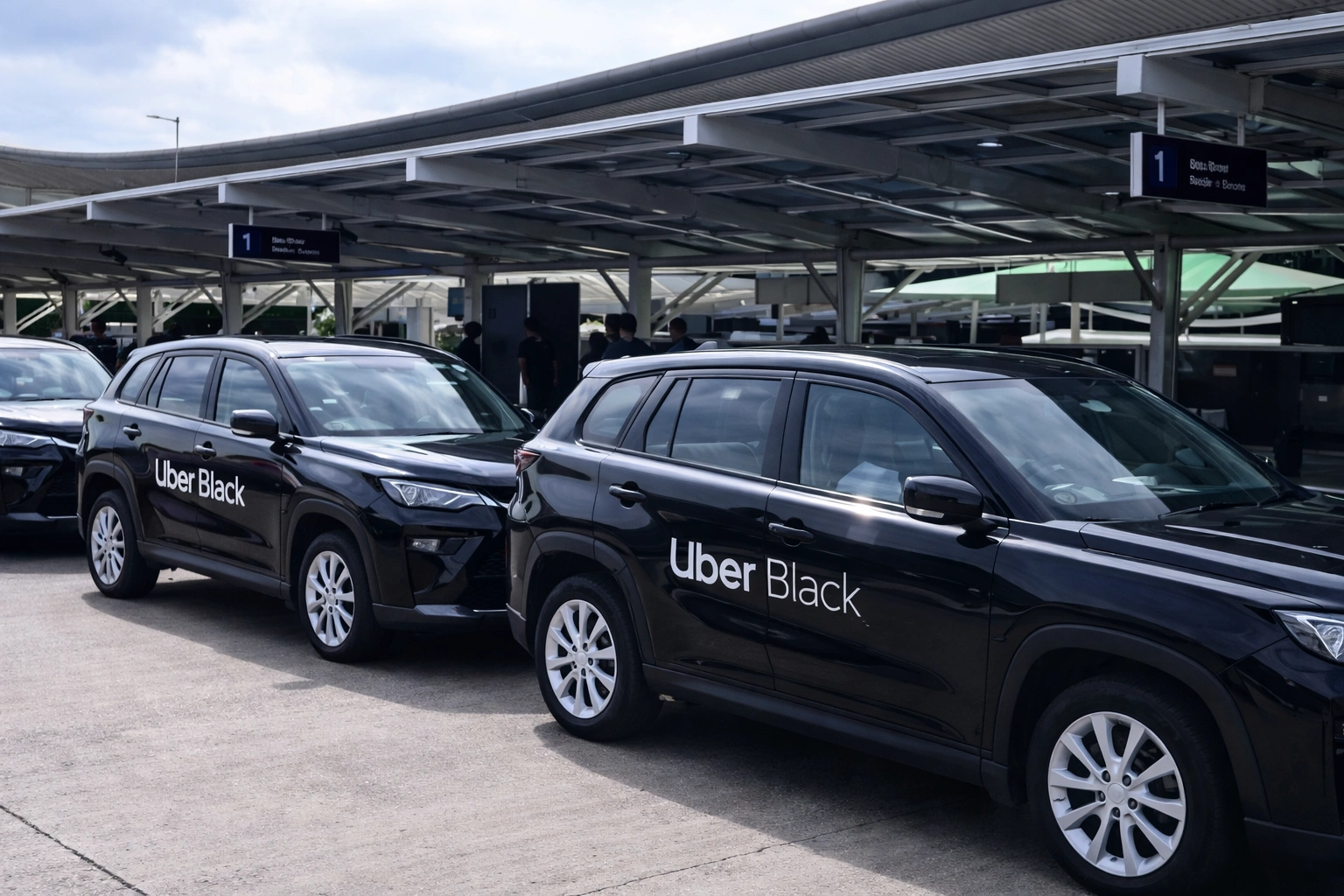
➤ In cities: Book cabs through Uber or Ola rather than hailing taxis on the street, this ensures accountability and safer travel. Share your live location with a trusted contact for every journey.
➤ Metro: Delhi, Mumbai, Chennai, Kolkata, Bangalore, and Hyderabad all have one women-only metro coaches. Women-only seats are respected and there is usually a police presence in or near them. Use them. You can check routes and buy tickets online too, from DMRC app.
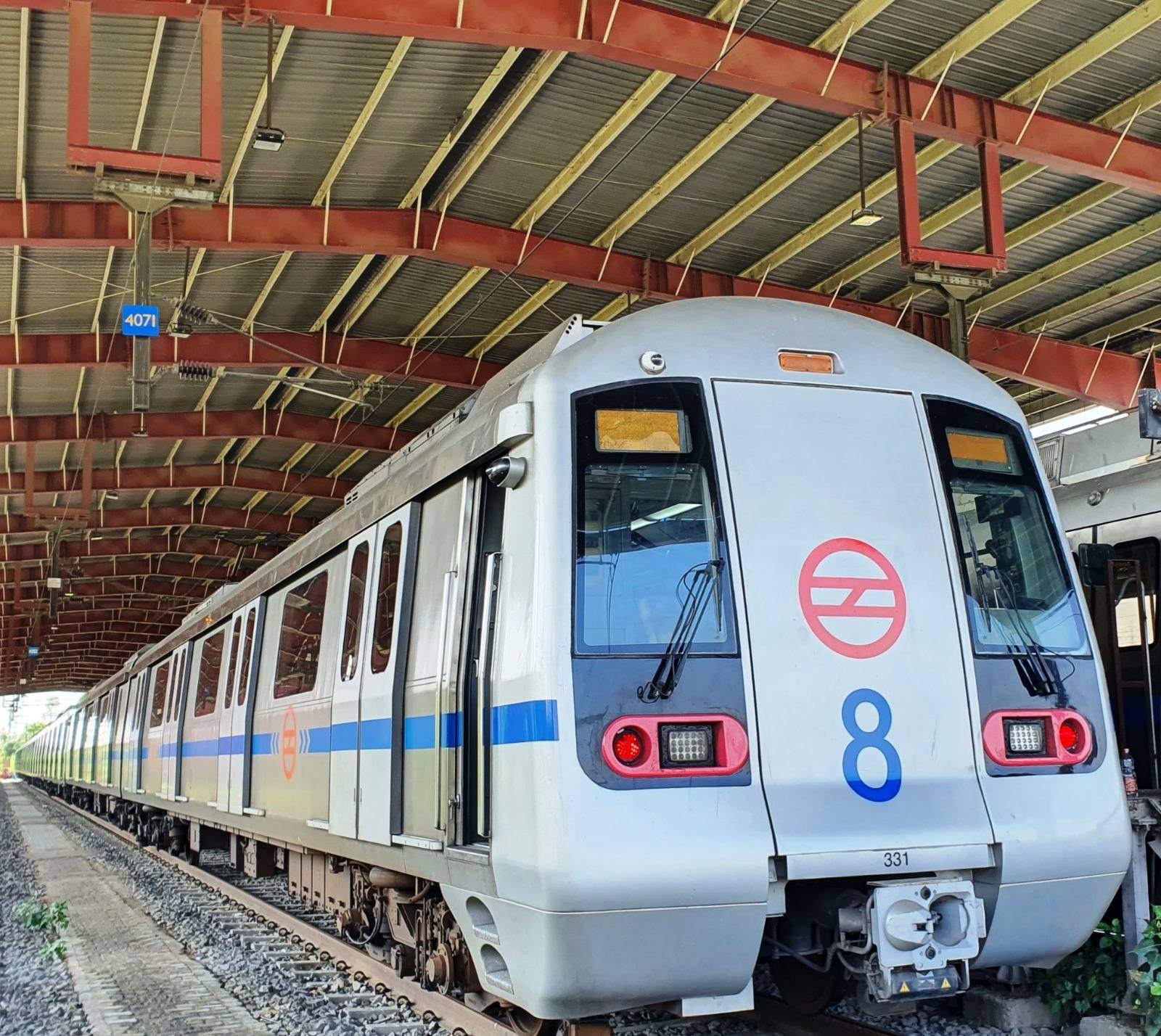
➤ Trains: Book AC classes, 3A or 2A, for overnight journeys. Avoid unreserved or general class compartments for solo overnight travel. The IRCTC app handles all train bookings.
➤ Night travel: Avoid solo movement in poorly lit or unfamiliar areas after dark. In busy tourist hubs, evenings are generally manageable but in remote areas after dark, are not the place to test it.
Accommodation | Before You Book
Look for hotels, resorts or properties with strong recent reviews from other solo female travelers. Women-only dorms are available at hostels across major Indian cities; they are worth the slight price premium for the community and security they offer. Book in advance rather than walking in alone at night. Inform someone of your accommodation details before you arrive.
Emergency Numbers | Save These Before You Land
The NCW 24×7 Women Helpline is reachable on 14490. The Emergency Response Support System unifies all emergency services:
Police, fire, ambulance, and women's support, under the single number 112, which is India's all-emergencies helpline operating 24/7 nationwide.
The Women Helpline is also reachable on 181.
Save these numbers: 112 (all emergencies), 1091 (women's helpline), 181 (women support).
Purchase a local SIM card on arrival at the airport
You will need your passport and a copy of your visa to register it. A local SIM gives you data for maps, ride-hailing apps, live location sharing, and the ability to call any of the above numbers. Do not rely on international roaming alone.
India also operates Women Help Desks (WHDs) in police stations across major cities, specifically for women to report harassment or distress. Special Women Police Cells handle crimes against women exclusively. If something happens to you, you have the right to file a First Information Report (FIR) at the nearest police station. Women-only police stations (Mahila Thana) exist in major cities.
Where Solo Female Travelers Visit Often
India's most recommended destinations for solo women combine strong tourist infrastructure, English-speaking accessibility, and established solo-female-traveler communities:
Jaipur: The Pink City has active tourist policing, women-friendly hostels, and the Pink City Rickshaw service operated by women drivers. Rajasthan's palace circuit is among the most visited solo-female routes in India.
Rishikesh: The yoga and wellness capital on the Ganges draws an exceptionally international crowd. The solo-female traveler community here is visible and active.
Kerala (Kochi and Alleppey): South India generally carries a reputation for treating solo women with respect, and Kerala's Fort Kochi in particular is noted for its walkable, safe atmosphere and international cultural scene. Pink Police patrols operate in Kochi.
Varanasi: Spiritually one of the most significant cities on earth. The ghat areas are busy and well-policed in the tourist zones. Stay close to the main areas, especially at night.
Goa (North Goa): You will find most of the foreigners, English-speaking natives, and people familiar with solo female travelers. November to February is the peak season here. Avoid isolated beach areas after dark.
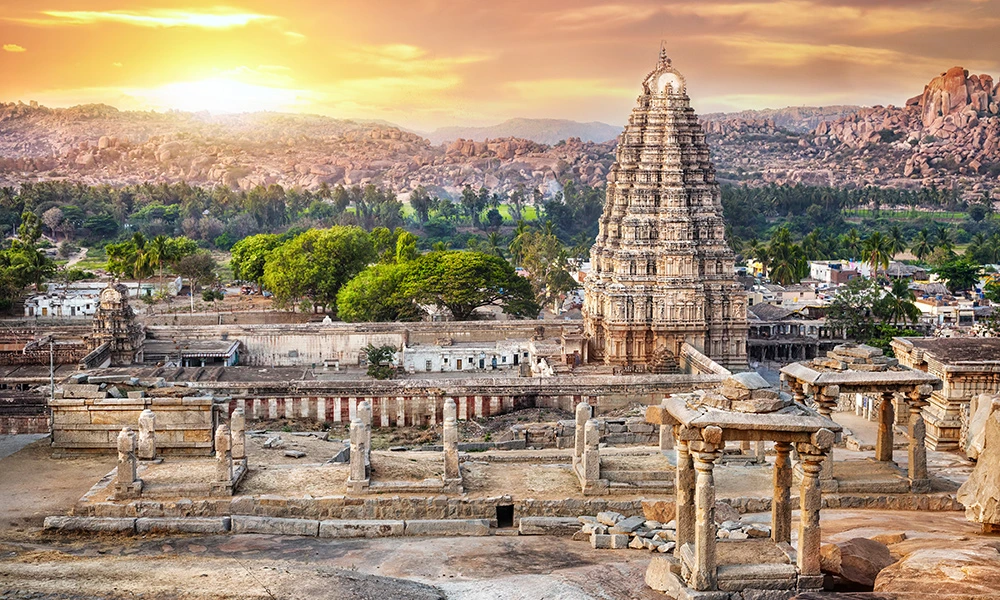
Hampi: UNESCO heritage site with a relaxed backpacker culture and a strong community of solo travelers of all backgrounds. The temples and the hills are the main attraction.
The Trip Starts With an India Visa!
Every experienced solo female traveler in India will tell you the same thing: preparation is everything. That preparation begins with the right India e-Visa confirmed well before departure, not applied for the week before your flight, not pending when you board. You will require a regular visa in such cases:
➜ Applicants of Pakistani nationality, or whose parents or grandparents were born in or were permanently resident in Pakistan, are not eligible for an India e-Visa.
➜ Those with a defence, military, security, or police background, serving or retired, are similarly excluded.
Besides these, you need to adhere to the India visa guidelines, to prevent penalties and fines; and review common mistakes in your India e-visa application before submitting.
At IVC Visas, your application, photo, and documents are reviewed before submission on both standard and express service. The India e-Visa fee is non-refundable. A reviewed application is your first layer of practical preparation for a trip that will be, if you go in ready, one of the most extraordinary things you ever do.
Start your India e-Visa application with IVC as soon as your travel dates are confirmed!
Questions before applying? Contact our team. We're available 24/7 via Chat, WhatsApp, and Email.
Disclaimer: IVC Visas is an independent visa service provider. We assist with application preparation and submission to official government portals. Final visa approval decisions are made solely by Indian immigration authorities. All information is based on current regulations as prescribed by the Government of India, which may change. Always verify the latest requirements before travel. Safety information in this blog is sourced from official Indian government sources and real travele accounts — it is intended as general guidance and not a substitute for personal judgment or professional travel advice.