
India offers three ways to get a visa and picking the wrong one can cost you time and money. This guide breaks down all three clearly, so you can make the right call before you start.
What Is the Regular Indian Visa?
The Regular Indian Visa — also called a sticker visa — is the most flexible option available as it covers the widest range of travel purposes and is open to citizens of almost every country.
Who is it for?
Anyone visiting India for tourism, business, employment, study, research, or medical treatment — especially for long-term or purpose-specific visits.
Categories available:
- Tourist
- Business
- Employment
- Student
- Research
- Medical
- Conference
- And several others
Validity:
Ranges from a few months to multiple years, depending on the category and your nationality.
How to apply:
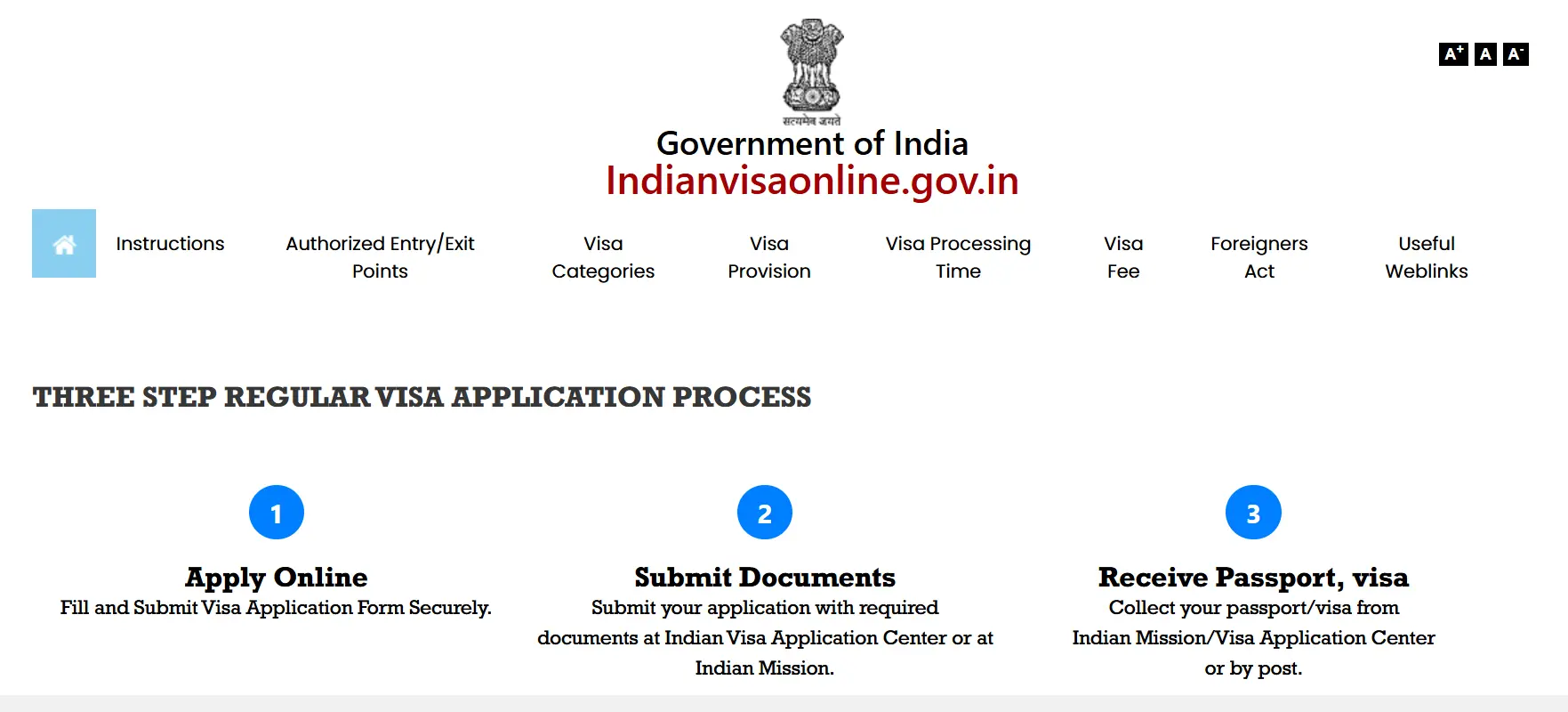
- Fill the application form online at the official Indian visa website.
- Take a printout and visit the Indian Mission or Indian Visa Application Center in your country in person. For instance, If you are from France, consider visiting Embassy of India in Paris or Consulate generals in Saint Denis or Marseille, for Singapore, visit High Commission of India and same goes for every other country.
- Submit documents and pay the visa fee at the embassy
Processing typically takes a minimum of 3 working days from submission.
What Is the Indian eVisa?
The Indian eVisa is a fully online visa which requires no embassy visit, no printouts, no queues. It was introduced by the Government of India to make short to mid-term travel simpler for citizens of 170+ eligible countries, including travelers from the Malaysia, UK, Canada, and Australia.
Indians e-Visa Categories Available:
- e-Tourist Visa — Sightseeing, casual visits, short yoga or cultural programmes
- e-Business Visa — Meetings, trade, conferences, business discussions
- e-Medical Visa — Treatment at recognised Indian hospitals
- e-Medical Attendant Visa — For companions of e-Medical Visa holders (up to 2 per patient)
- e-Conference Visa — Attending seminars or official conferences in India
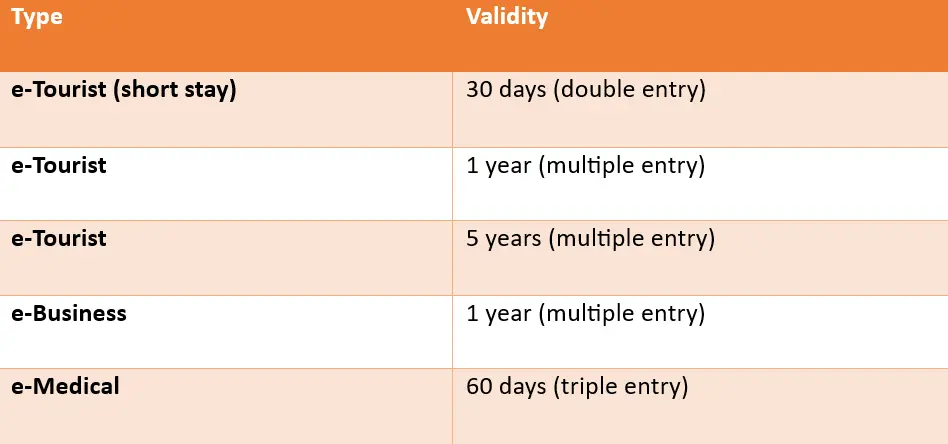
India e-Visa Validity Options:
Documents Required for Indian e-Visa:
- Passport — valid for at least 6 months from travel date, with 2 blank pages
- Passport-size photograph — plain white background, face clearly visible
- Scanned copy of passport front page
- Active email address
- Visa fee payment
Additional documents by type:
- e-Tourist Visa:Travel plan, accommodation details, return ticket (recommended)
- e- Business: Business card, invitation letter from an Indian company
- e- Medical: Letter from Indian hospital, medical reports or diagnosis details
How to apply:
- Visit the official Indian visa website.
- Fill the form, upload documents, review before and pay online
- Receive your e-Visa or ETA by email within 72 hours
As applying for an Indian e-Visa is entirely online process, no one reviews your application besides you which might lead to mistakes in Indian e-Visa. This is where IVC visas steps in, to make sure that your application goes smoothly.
Remember:
- Apply at least 4 days before your travel date.
- Entry is only through designated airports and seaports.
- Indian e visa is non extendable and non convertible, so plan your Indian adventure accordingly or choose the suitable vis type from the start.
What Is Visa on Arrival for India?
Visa on Arrival is the most limited of the three options. As of now, it is available only to nationals of Japan, South Korea, and UAE.
- Purpose: Tourism, business, medical, or conference
- Maximum stay: up to 60 days
- Fee: ₹2,000 per passenger
- Entries: Double entry permitted per calendar year
- How to get it?: Fill the form at the designated visa counter on arrival at the airport.
Just remember, the only designated ports for Visa on Arrival are- Bengaluru, Chennai, Delhi, Hyderabad, Kolkata, and Mumbai. So, plan accordingly.
If you are not from Japan, South Korea, or UAE — this option does not apply to you. Citizens of most other countries should look at the e-Visa instead.
Quick Comparisons
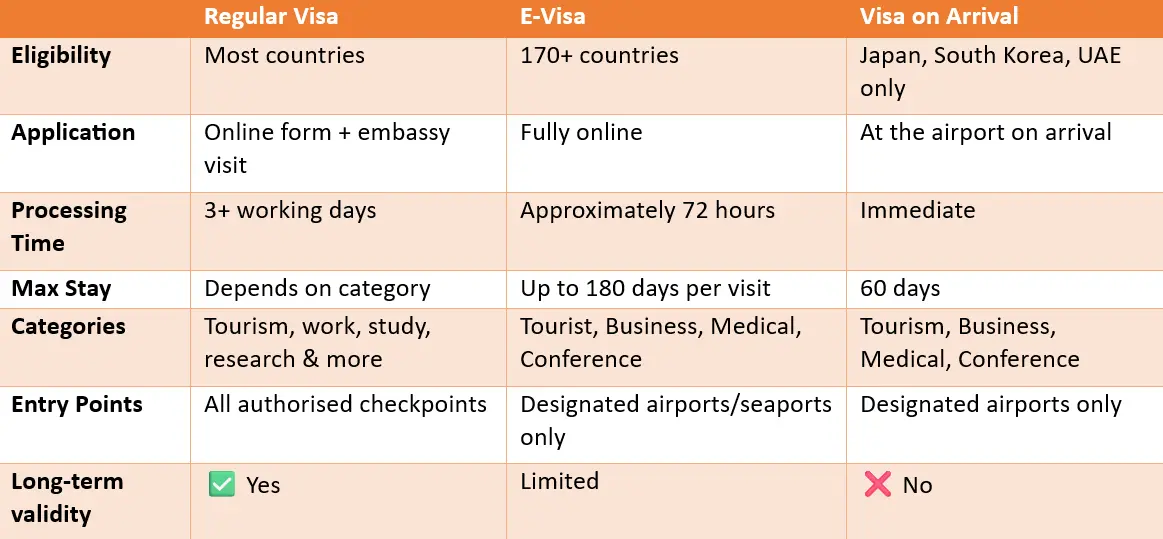
Which One Should You Apply For?
- Choose Regular Visa if you're visiting for work, study, research, or any purpose the e-Visa doesn't cover — or if you need a longer validity.
- Choose Indian e-Visa if you're visiting for tourism, business, or medical purposes and want a fast, fully online process. It works for most international travelers.
- Choose Visa on Arrival only if you hold a Japanese, South Korean, or UAE passport.
For most travelers, the e-Visa is the easiest and fastest route.
Applying for an Indian e-Visa? Let IVC Visas Handle It.
The e-Visa process is straightforward — but small errors in the form or document upload can lead to delays or rejection.
At IVC Visas, we review your e-Visa application before submission, so avoidable mistakes don't cost you your trip. Our team handles the entire process online — from form filling to document review.
Disclaimer: IVC Visas is an independent visa service provider. We assist with application preparation and submission but do not guarantee visa approval, as final decisions rest with Indian immigration authorities. All information is based on current regulations, which may change. Always verify the latest requirements before travel.